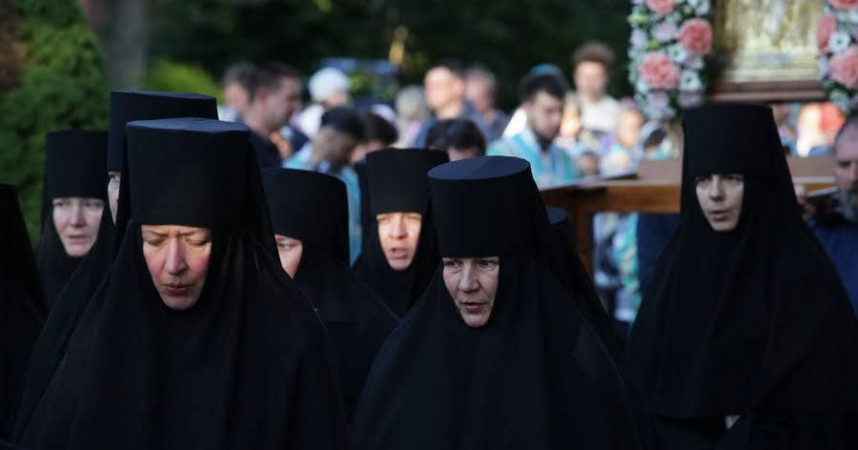
The Estonian Orthodox Christian Church (EOC) and the Pyukhtitsa Dormition Stavropegic Convent have appealed to the European Court of Human Rights (ECHR), challenging new requirements under Estonia’s legislation governing religious organizations, Estonian public broadcaster ERR reported, citing the organizations’ lawyer Artur Knyazev.
The case concerns amendments to Estonia’s Churches and Congregations Act that entered into force on June 27, 2026. The amendments require religious organizations to bring their statutes, governing bodies and activities into compliance with the new rules. The EOC and Pyukhtitsa Convent have until December 28 to comply.
Estonian authorities are demanding that the organizations sever their ties with the Russian Orthodox Church (ROC). If they fail to do so, Estonian Interior Minister Igor Taro has said he intends to seek a court order to terminate their activities.
The EOC argues that the dispute goes beyond changes to legal documents. According to its lawyers, the government’s requirements affect the religious identity of believers and effectively leave them with a choice between abandoning their existing church ties and ending the organization’s activities.
The issue is still being discussed with Estonian authorities. On October 1, EOC representatives met with Tarmo Miilits, Chancellor of the Ministry of the Interior. The talks were attended by the Tallinn Diocese’s auxiliary bishops, Bishop Sergius of Maardu and Bishop Daniel of Tartu, as well as attorneys Steven-Christo Evestus and Artur Knyazev.
According to the EOC, the sides discussed how the new legislation should be applied. Church representatives said that several provisions remained unclear to them. The meeting was not part of a formal administrative procedure, but the participants agreed to continue consultations. Another meeting is expected to take place in about a month.
The EOC Synod discussed the matter on October 6, according to the church’s press service. Bishops Sergius and Daniel briefed the Synod on the details and outcome of the meeting with the Interior Ministry. The Synod also considered a draft model statute for local parishes.
The dispute has its roots in Estonia’s broader efforts to distance religious organizations in the country from the Russian Orthodox Church. In May 2024, Estonia’s parliament declared the Moscow Patriarchate an institution supporting Russia’s military operation in Ukraine. Estonian authorities have repeatedly called for Orthodox parishes operating in the country to sever their institutional ties with the ROC.
The dispute also directly affects the Pyukhtitsa Convent, one of Estonia’s best-known Orthodox religious institutions. About 90 nuns live at the convent, most of them elderly. Representatives of the monastery have also challenged the government’s new requirements before the ECHR.
Estonia’s Churches and Congregations Act has been the subject of a prolonged constitutional dispute. In 2025, parliament adopted amendments to the legislation several times, but President Alar Karis declined to promulgate them, citing possible conflicts with the Constitution. In October 2025, the president asked Estonia’s Supreme Court to review the legislation’s constitutionality.
On June 8, 2026, the Supreme Court ruled that the law was compatible with the Constitution, clearing the way for the amendments to take effect later that month.
The ECHR application now adds a European legal dimension to the dispute, as the Estonian Orthodox Church and Pyukhtitsa Convent seek to challenge the requirements imposed on their religious and organizational ties.






-

The Right Moment
Alyona Bogolyubova
All Authors