In his youth, Semyon Antonov was distinguished by such strength that he could carry hot cast iron with his bare hands and break a thick board with one blow. But later, when he became an Athos monk, he remembered his father's meekness with special reverence. The illiterate peasant knew how to correct his son so as not to humiliate or harden him. "I have not come to the measure of my father," said the elder, who had already spent many years in prayer and repentance.
The future Monk Siluan was born in 1866 in the village of Shovskoye, Tambov province. His path to monasticism was not direct. As a young man, he felt a burning desire to devote himself to God, but then he became interested in ordinary village life — festivities, music, noisy companies. Once, during an argument, Semyon hit a man so hard that he almost killed him. The victim survived, but the memory of what happened became a cause of deep remorse for the future ascetic.
While serving his military service in St. Petersburg, Semyon increasingly thought about Mount Athos. His comrades were having fun, and he remembered the monks who performed night prayer at those hours. Before returning home, he left a short letter to St. John of Kronstadt.: "Father, I want to become a monk; pray that the world does not detain me." In the autumn of 1892, Semyon entered the Russian St. Panteleimon Monastery on the Holy Mountain.
A life filled with worship, labor, and obedience began. Behind the outward simplicity of monastic everyday life, there was a tense internal struggle. The young novice was experiencing severe temptations, fear, and despair. One day, when his mental strength had almost left him, during Vespers in the temple of the prophet Elijah, Christ appeared to him. The Savior's gentle, loving gaze was forever preserved in his memory. Throughout his later life, the elder testified to the mercy of God he recognized.
However, there were many years of spiritual work ahead. Silouan learned to recognize pride even where it was hidden behind fervent prayer and strict asceticism. In one of the most difficult hours, asking the Lord to teach him humility, he heard in his heart the answer: "Keep your mind in hell and do not despair." These words became the mainstay of his life: realizing the depth of his own fall, he learned to fully rely on God's mercy.
Humility opened his heart to the suffering of others. The elder prayed for the living and the dead, for loved ones and strangers, for those who believed in God, and for those who did not yet know His love. This was especially evident in a conversation with a monk who talked about punishing atheists. Siluan asked if he could be at peace in paradise, seeing the torment of another person. When the elder heard that the sinners themselves were to blame, he replied with sorrow: "Love can't take it."… We need to pray for everyone."
St. Silouan died on September 24, 1938. Until his last days, despite his illnesses and weakened strength, he continued to pray for the whole world. His words are still addressed to every Christian today: do not despair of God's mercy, take care of your neighbor and learn love that does not exclude anyone from your prayer.
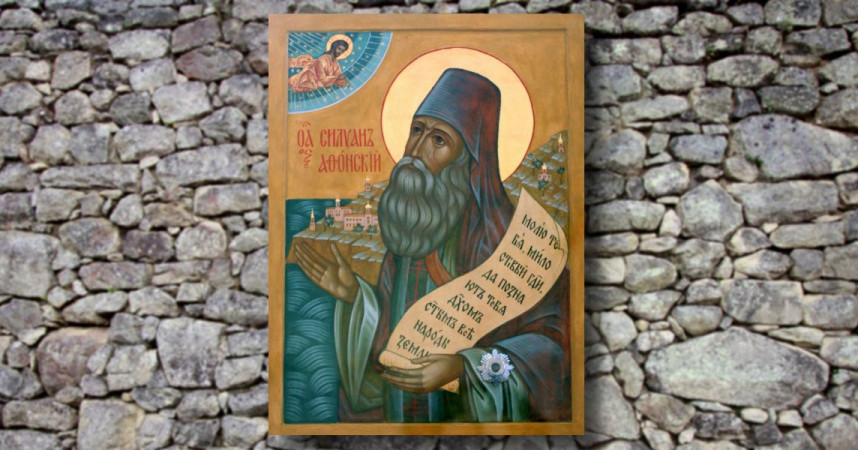
The Church remembers St. Silouan of Athos
24.09.2026, 06:00




-
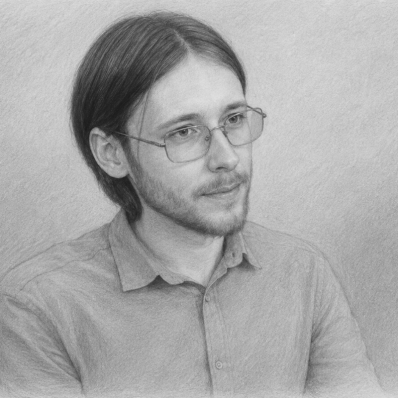
The Strength of Weakness
Alexey Shirikov
All Authors